How Does A Hybrid Solar Power Inverter Work Efficiently?

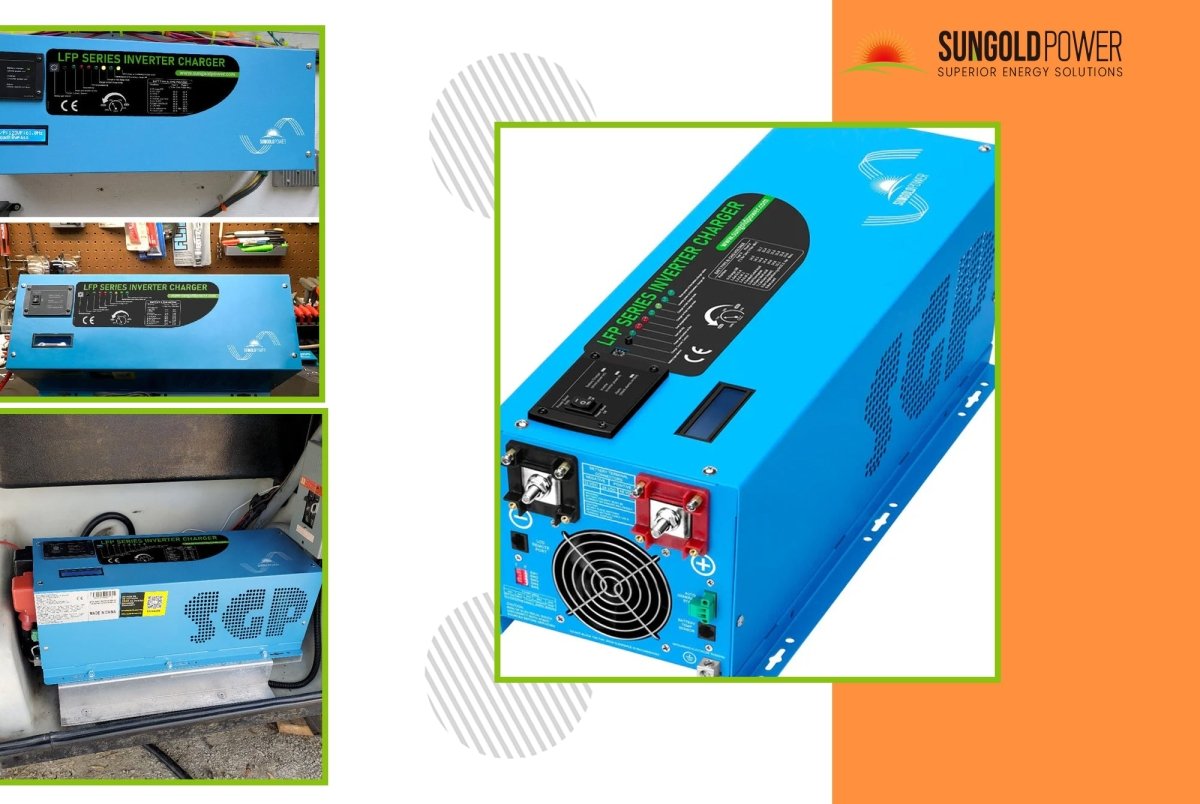
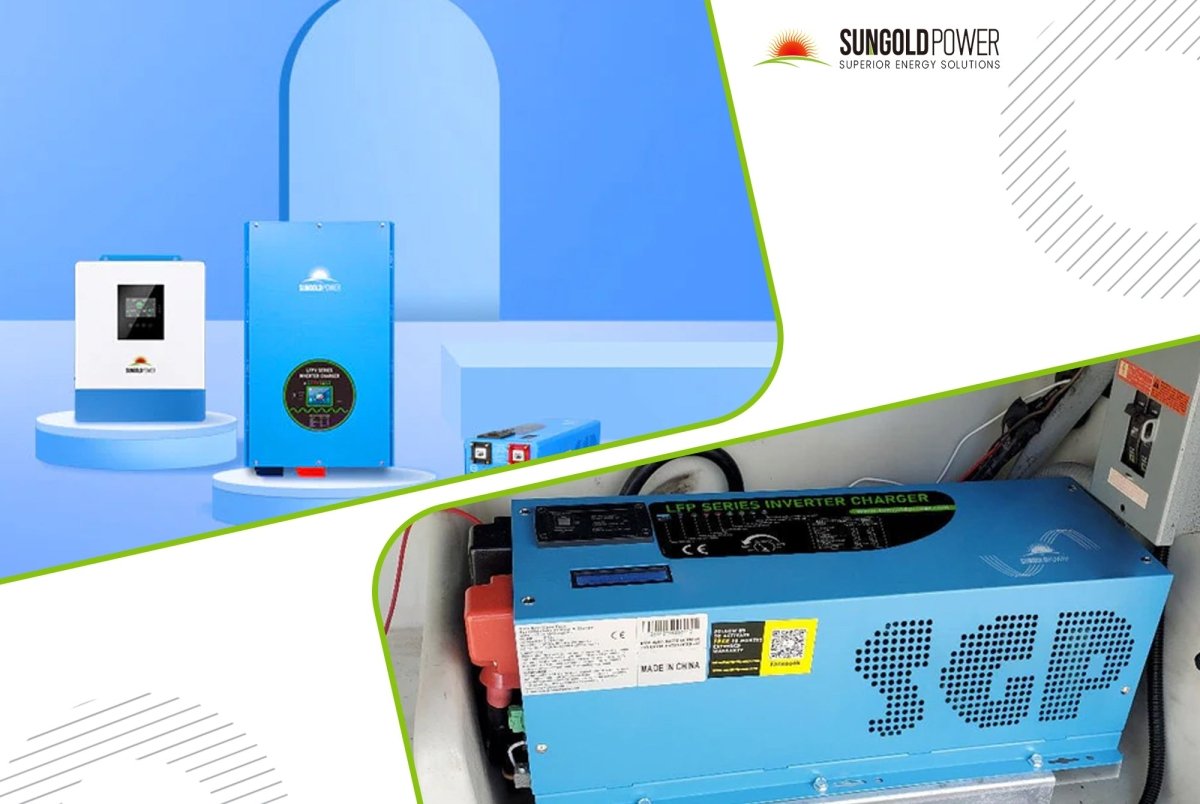
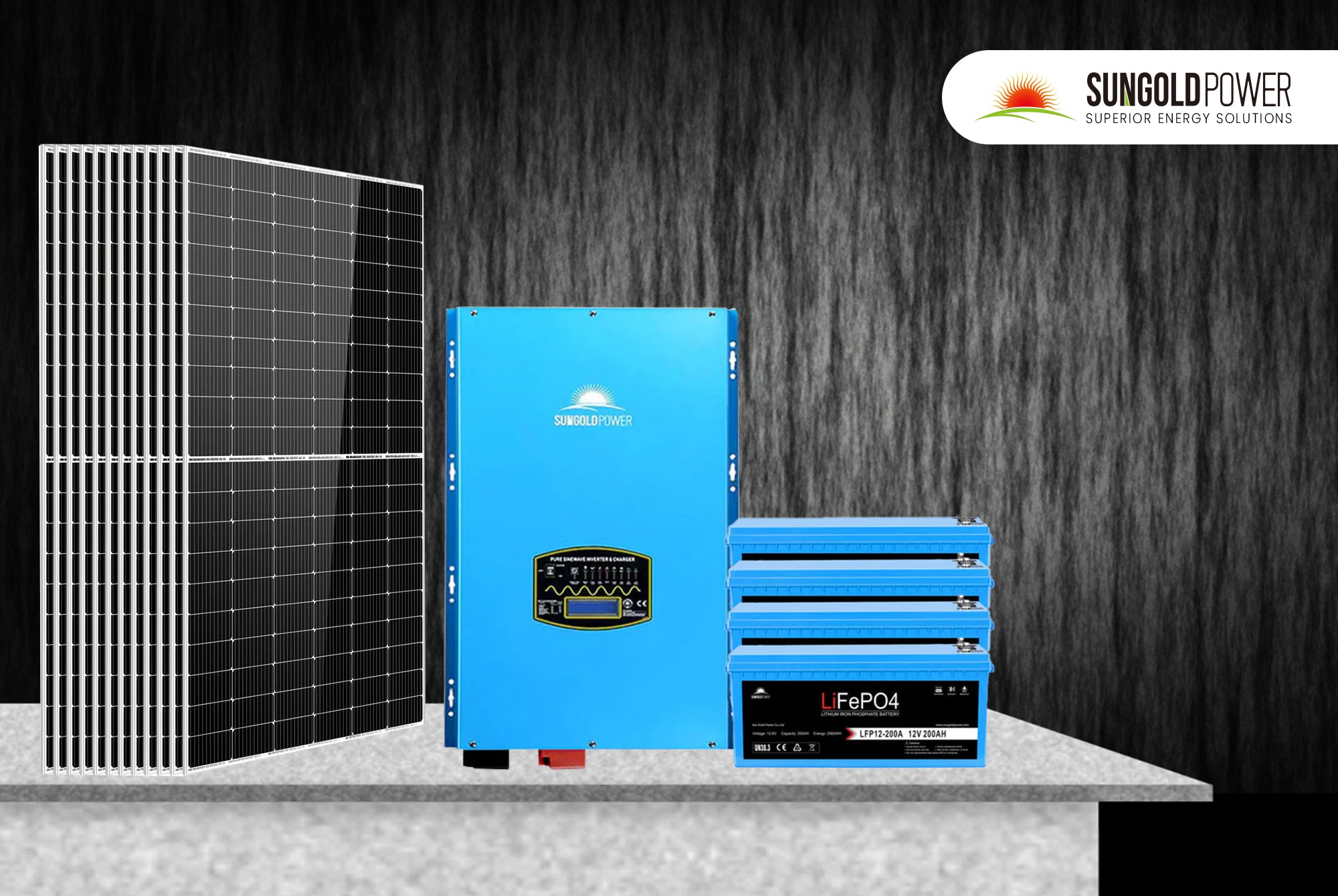
Ahybrid solar inverter is an intelligent device that inverts and charges batteries. It regulates battery charging, grid interaction, and solar panel DC-to-AC conversion for domestic use. Consolidation simplifies installation, reliability, and complexity.
Smart Energy Flow Control
Smart energy flow makes hybrid solar power inverters efficient. The unit first supplies loads with solar energy, then charges batteries, and only pulls from the grid when solar and batteries are low. Prioritization eliminates wasteful conversions and running losses.
Maximum Power Point Tracking
MPPT controllers in most hybrid inverters alter the panel operating voltage to maximize power under changing sunshine and temperature. Effective MPPT algorithms can significantly boost daily yield, particularly in foggy or partially shaded conditions.
Battery Integration, Inverter Modes
Hybrid inverters have solar-only, battery backup, grid-tied, and self-consumption optimization modes. The backup inverter swiftly shifts to stored energy during grid interruptions to keep important loads functioning. Self-consumption mode maximizes solar energy use by minimizing grid import.
Bidirectional Conversion, Low Losses
Modern hybrid inverters convert DC to AC for loads and AC to DC for battery charging. Superior power electronics, synchronous switching, and firmware reduce conversion losses. More solar energy is used for power.
Reliability and Thermal Management
Heat affects power electronics' efficiency. Hybrid inverters optimize operating temperatures via active cooling, heat-sinking, and thermal protection algorithms. These methods avoid overheating and throttling, preserving conversion efficiency and component life.
Scale and Parallelism
Parallel and split-phase hybrid inverters allow whole-home backup and higher continuous output for larger loads. This scalability makes the technique suitable for modest cabins to large residential installations.
Smart Software and Remote Monitoring
Firmware and cloud monitoring boost long-term performance. Remote diagnostics, firmware updates, and production analytics optimize settings and promptly identify faults or suboptimal configurations to correct issues before yield loss.
Why hybrid inverters?
SUNGOLDPOWER hybrid systems allow seamless DC-to-AC conversion and adaptive power management to let households use solar when available and the grid when needed. Their hybrid line emphasizes adaptable system design for sustainable living and reliable backup.
Operating tips for efficiency
Fit your system to realistic daily usage and incorporate enough battery capacity for autonomy. Place and clean panels to reduce shading. Use the inverter's scheduling and priority to match its power supply to usage. Finally, update and maintain firmware per manufacturer directions to maximum efficiency.
Actual customer situations
A compact
Conclusion
Hybrid inverters combine solar, battery, and grid power. These inverters use MPPT, bidirectional conversion, advanced control logic, and thermal design to make local solar power realistic and efficient in many real-world situations. SunGoldPower's versatile, reliable units simplify deployment and increase long-term performance.