How to Choose the Best Solar Power Hybrid Inverter for Your Home

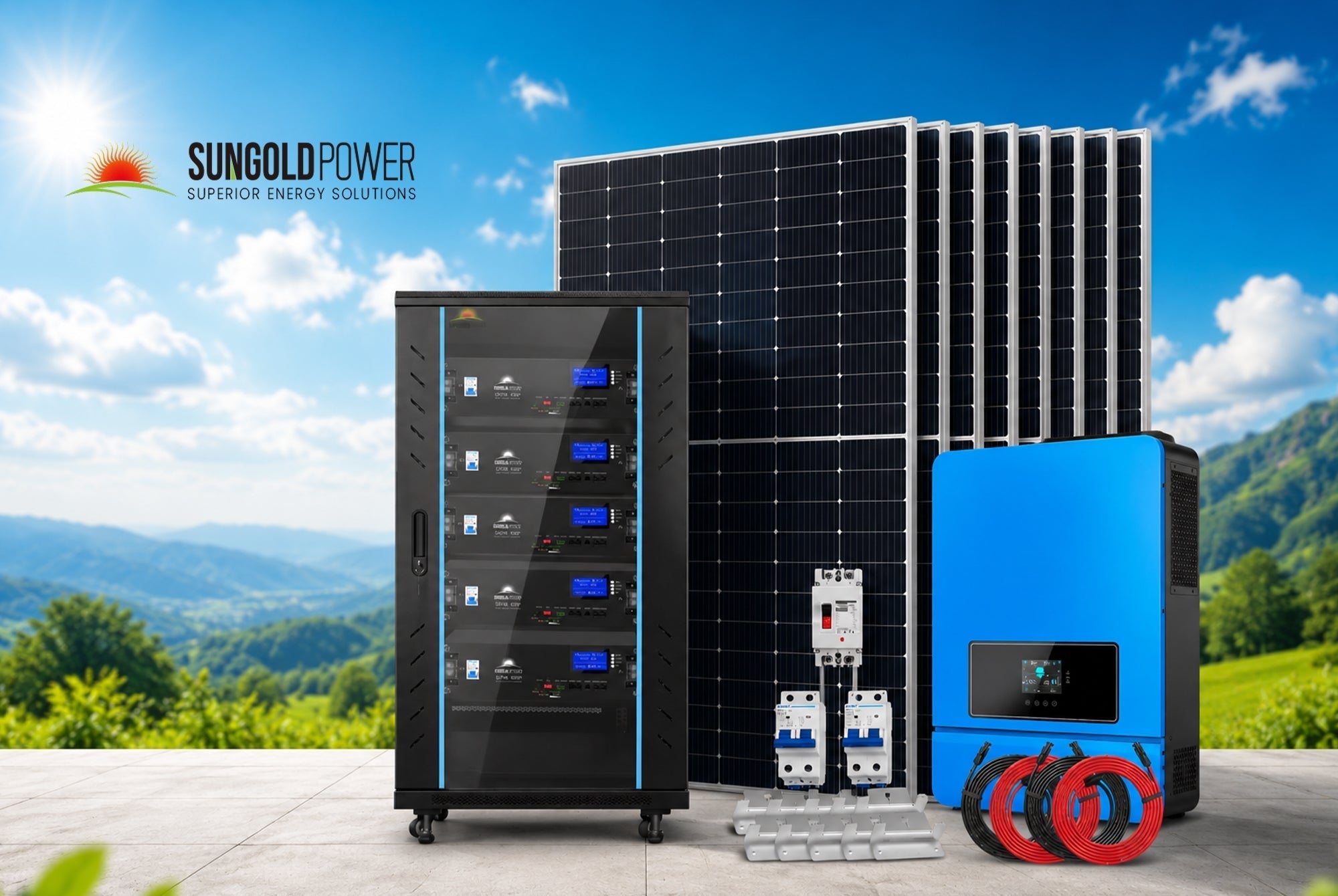
Inverters and batteries are combined in a solar power hybrid inverter. Grid interface, energy storage, and solar panel DC-to-AC conversion are controlled. In contrast to a standard grid tied inverter, which operates out during outages, a hybrid inverter lets your system store surplus electricity in battery packs and supply power when the grid goes down. Homeowners wanting energy independence and dependability should investigate.
Select the Right System Size
Selecting the proper inverter size is critical. An undersized inverter might suffer in strong demand, while a larger one may cost more. To evaluate home energy consumption, review the past 12 months' power bills.
Find Peak Use times. Add EV or AC chargers
Typical houses need 5kW–15kW systems. To accommodate differences and possible growth, a well constructed solar inverter on off grid should be 20–30% larger than your solar panels.
Evaluation of Conversion Efficiency
Efficiency impacts long-term savings. Quality grid tie power inverters or hybrids are 97%–99% efficient. Small efficiency differences waste a lot of energy over time. As an example, A 2% efficiency gap wastes thousands of energy units over 20–25 years.
Grid Power Usage Reduces with Efficiency
Verify efficiency ratings and avoid generic claims. More efficient inverters pay for themselves in a decade.
Testing battery compatibility
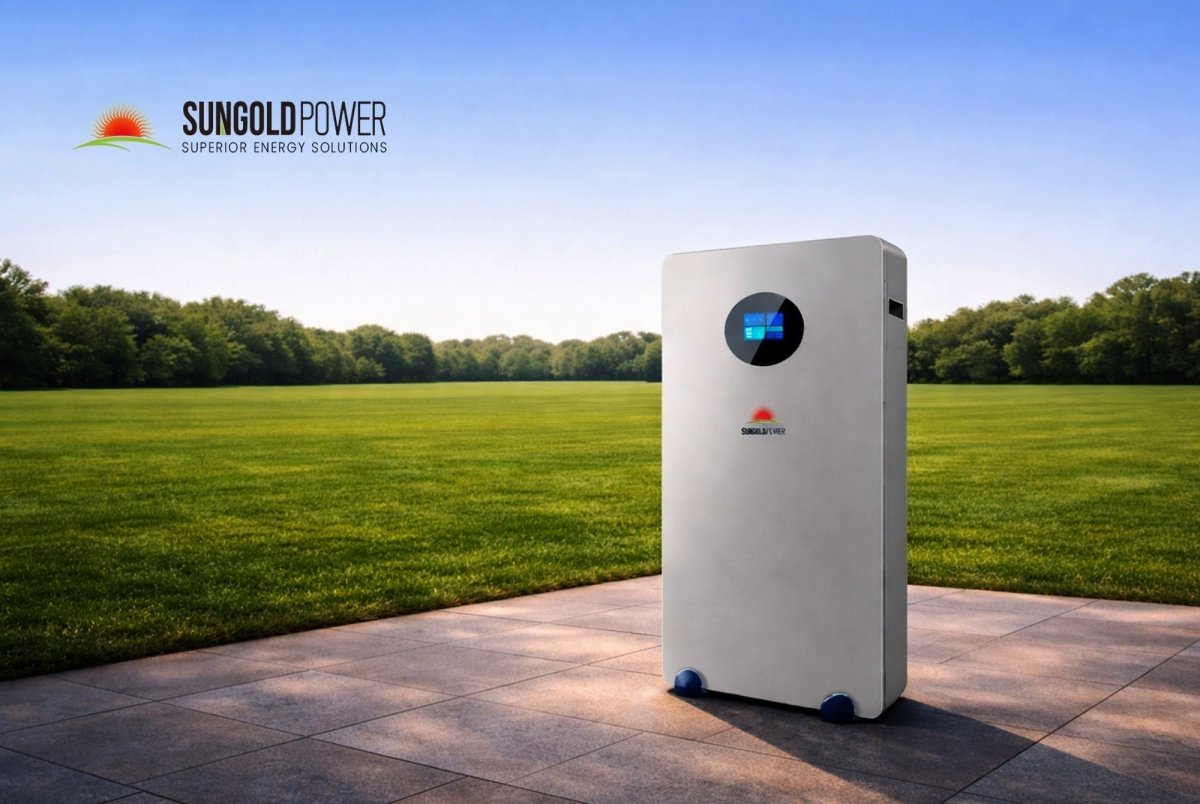
A key feature of a solar power hybrid inverter is integration with battery storage. Only some inverters support certain batteries.
Before buying: Assess lithium-ion and lead-acid battery compatibility.
Check voltage (typically 48V).
Allow battery upgrades later
A decent solar inverter on off grid should allow battery expansion without restricting habitats. Long-term scaling requires this flexibility.
Consider Grid Interactivity
Inverters must fit the grid infrastructure. A grid tied inverter, which feeds extra energy back into the utility grid, is widely used to enable net metering.
Hybrids improve this:
● Priority solar use
● Extra energy battery storage
● Draw from the grid only when needed.
Advanced Monitoring
Inverters with modern monitoring systems provide real-time energy and system performance data.
Check these features:
● Access mobile apps and dashboards over WiFi.
● Diagnostics and live alerts
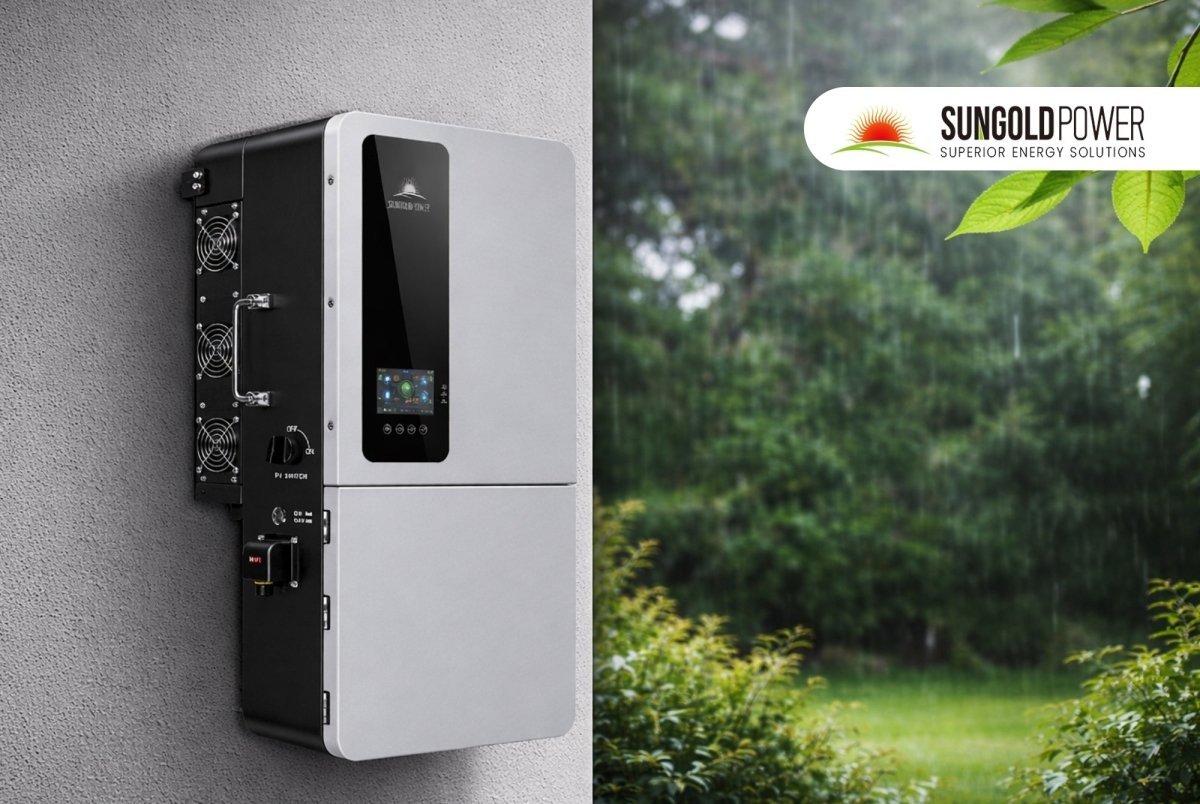
A smart solar power hybrid inverter allows remote production, use, and battery monitoring. This visibility increases system efficiency by detecting inefficiencies early.
Prioritize Safety Certifications
High-voltage electrical systems must be safe. Only certified inverters are reliable.
● Look for UL safety certifications.
● Advanced short-circuit and overload protection.
● In-built cooling
A certified grid tied inverter protects your home from electrical failures, while a robust hybrid system secures battery management.
Warranty and Reliability Assessment
Investment-grade solar inverters last 10–15 years. Manufacturer warranties demonstrate product reliability.
What to check:
● Minimum 10-year warranty
● Performance and parts coverage
● Available client aid
Premium grid tie power inverters provide longer warranties and cheaper maintenance costs.
SunGoldPower: A Smart Choice
Brand reputation matters as much as features when choosing an inverter. SunGoldPower advanced hybrid inverters are efficient, dependable, and versatile.
Their systems aim to:
● Allow grid-connected and off-grid apps
● High-converting efficiency
● Perfectly compatible with modern battery technology
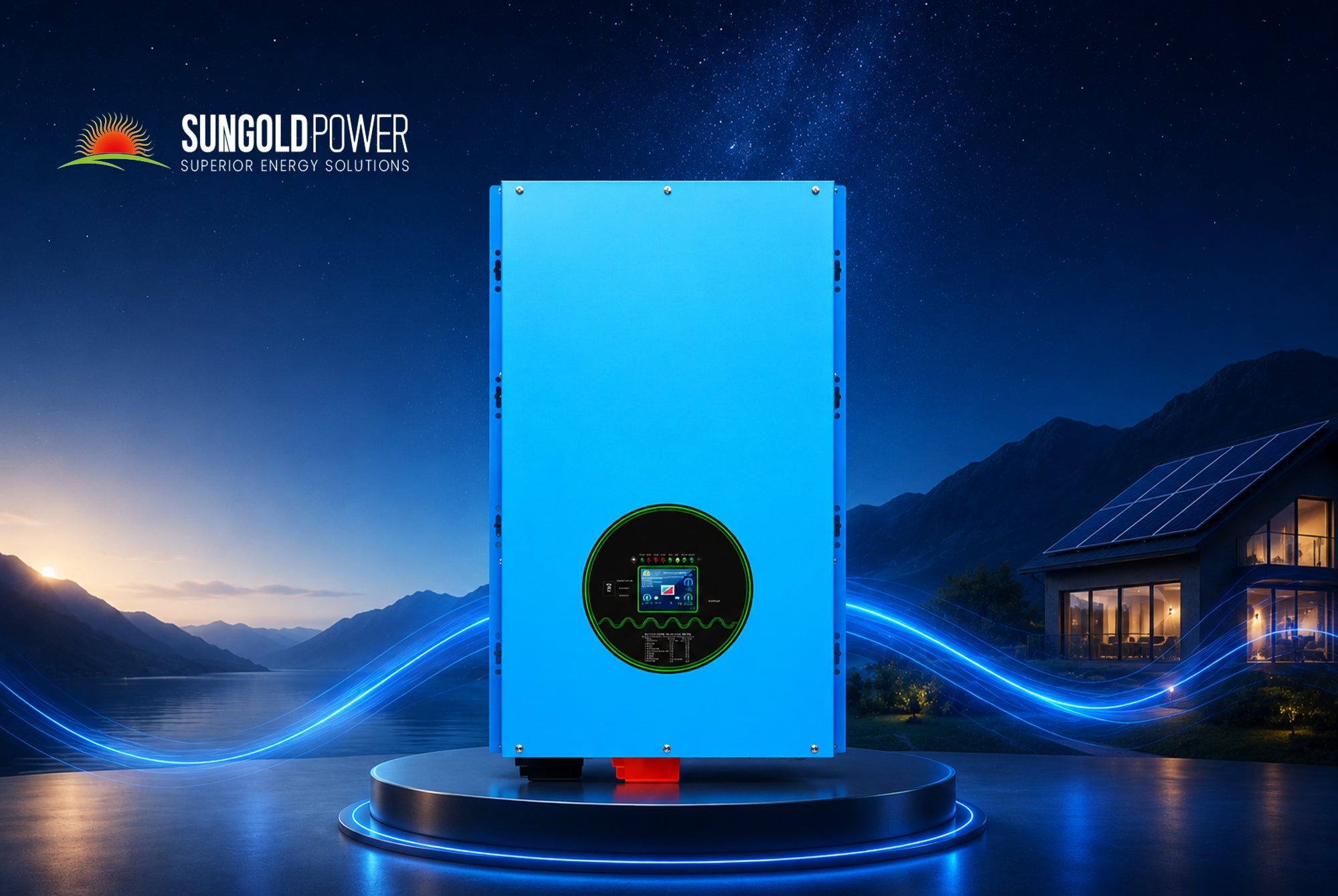
Due to its power and ease of use, SunGoldPower's 12kW 48V all-in-one hybrid inverter is excellent for many residential applications. SunGoldPower provides households with long-term energy independence technologies.