Is a Solar Panel System Enough to Fully Power an RV?

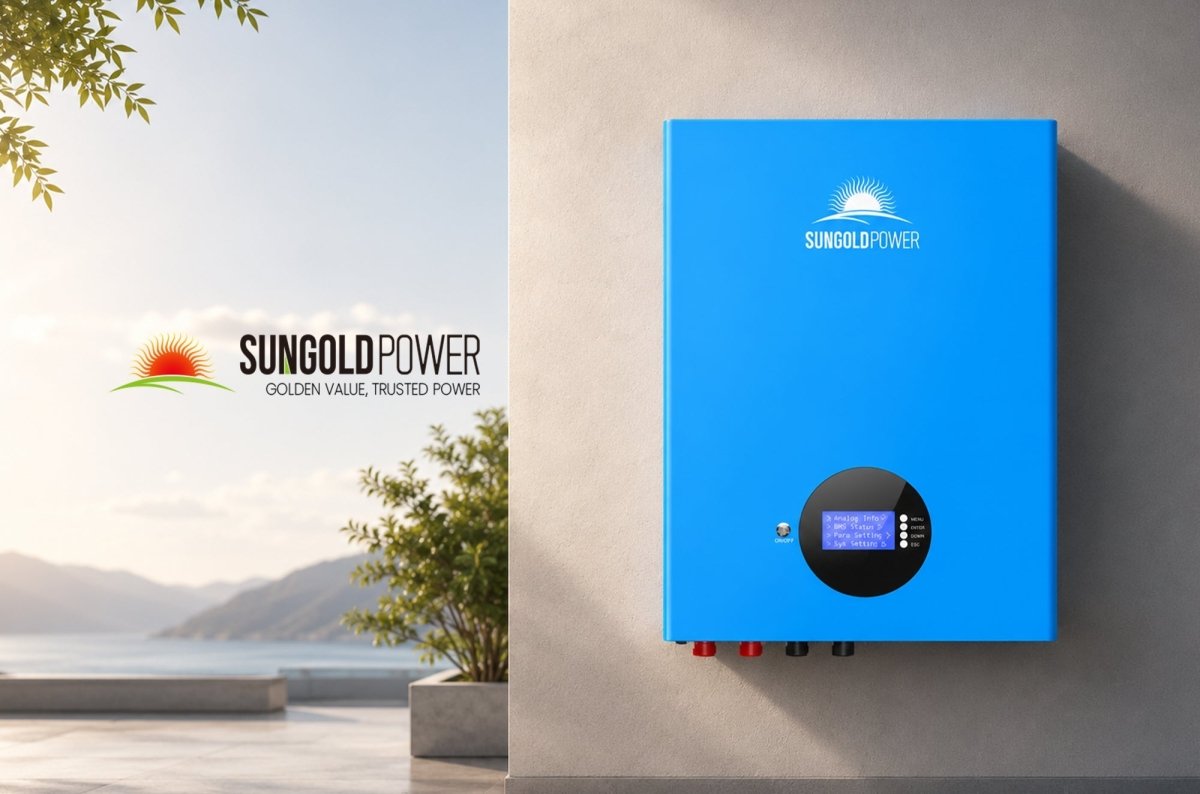
Solar panels cannot prepare coffee or cool the fridge. So the inverter is needed. Solar panels provide DC electricity, but most RV equipment needs AC. Inverters convert DC to AC electricity to fill the gap.
The correct inverter size is critical. An inverter that is too tiny won't support all your equipment. Excessive size wastes energy and efficiency. A well-matched inverter guarantees constant electricity from your RV solar panel installation.
Calculating RV Energy Needs
To determine if your camper solar panel kit will be enough, evaluate your appliances' daily energy use. Here's how:
• List All Appliances - Write down everything you plan to power, from lights to microwaves.
• Check wattage - Fridges need 500 watts, whereas laptop chargers use 60.
• Total Wattage - Add them to see peak use.
This computation establishes an inverter, battery, and solar panel size baseline.
Watts, power, and startup loads
tarting appliances uses more electricity than normal use. When the compressor starts, a refrigerator may exceed 500 watts. Here's where continuous power and peak power differ:
● Consistent power from your inverter.
● Peak Power (Surge Power): The brief energy surge needed to start some devices.
Always consider both while creating your system.
Compatible Systems and Battery Capacity
Your battery bank and inverter must match. Without this fit, energy transfer may be inefficient or impossible. A good Solar panel system for RV includes lithium or AGM batteries to power your RV at night or in overcast conditions.
Common RV Solar Planning Errors
Even experienced travellers might make solar system setup mistakes.
● Oversizing the Inverter: Bigger isn't always better. Large inverters waste electricity by drawing too much power.
● If the inverter is too tiny, your system shuts down when you need it most.
● Ignoring Future Upgrades: Choose expandable components if you want to add panels or appliances later.
Compare Off Grid vs. On Grid
Your system type affects design:
● RV-friendly off-grid: systems use solar panels and batteries. Your system must supply all power demands without grid backup, thus inverter size is crucial.
● On-Grid Systems: RVs seldom hook into campground electricity, although some do.
Since the grid can sustain it, your solar system doesn't have to.
Why SunGoldPower Solar Kits Are Smart
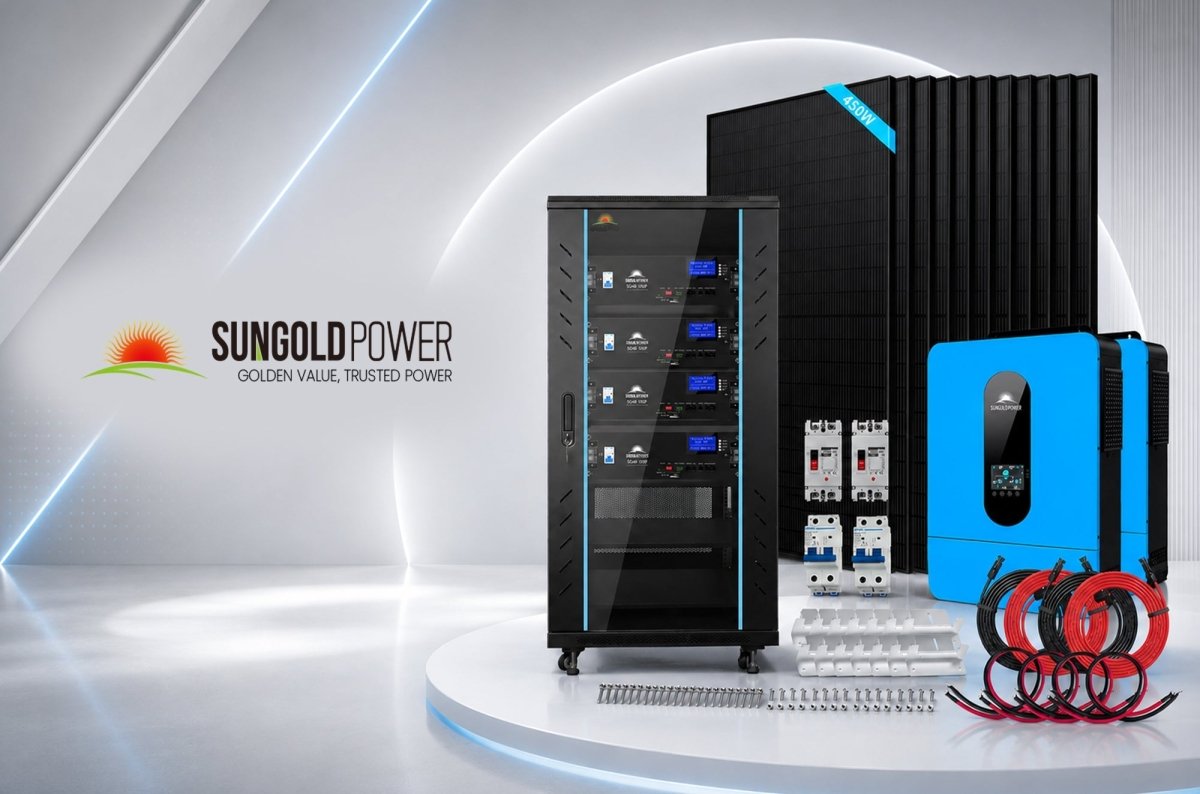
Compatible components are crucial when designing an RV solar setup. SunGoldPower's camper solar panel kit is built for this. Solar panels, charge controllers, and inverters in our packages function together.
Combine SunGoldPower panels with efficient batteries and a properly designed inverter to enhance performance and eliminate installation issues. Our solar kits are adjustable for tiny campers and RVs.
Can Solar Power an RV?
Yes, well-designed. Lights, laptops, freezers, and entertainment systems may be powered by RV solar panels. Sizing your inverter, choosing good batteries, and matching components for efficiency are critical. Weekend campers may just require basic kit. Full-time RVers choose more panels, a pure sine wave inverter, and a bigger battery bank.
Conclusion
A solar powered RV is feasible, environment friendly, and affordable. With a good camper solar power kit, inverter size, and battery storage, you can travel without connections or noisy generators. SunGoldPower offers rugged, efficient solar solutions for adventure. Our solar kits are designed to power your RV on the go, whether you're starting out or upgrading.