What Makes A 48-Volt Lithium-Ion Battery Efficient?

Efficiency starts with chemistry and pack engineering. LiFePO4 cells provide extended cycle life, stable load voltages, and low thermal runaway danger. Good pack design eliminates internal resistance and offers a constant energy supply to your inverter or load.
48V LiFePO4 battery stability and chemistry
Energy density may be sacrificed for lifespan and thermal stability in LiFePO4. This chemical has lower capacity loss, thus usable energy remains greater over more cycles, improving storage, backup, and mobile application efficiency.
Built-in BMS, smart management
A good BMS balances cells, monitors temperature and voltage, and controls charge and discharge. The BMS balances and protects the pack, so weak cells don't lower performance and the battery has more useful capacity. SunGoldPower uses such features to maintain cell health and efficiency.
Battery lifepo4 48v system-matching
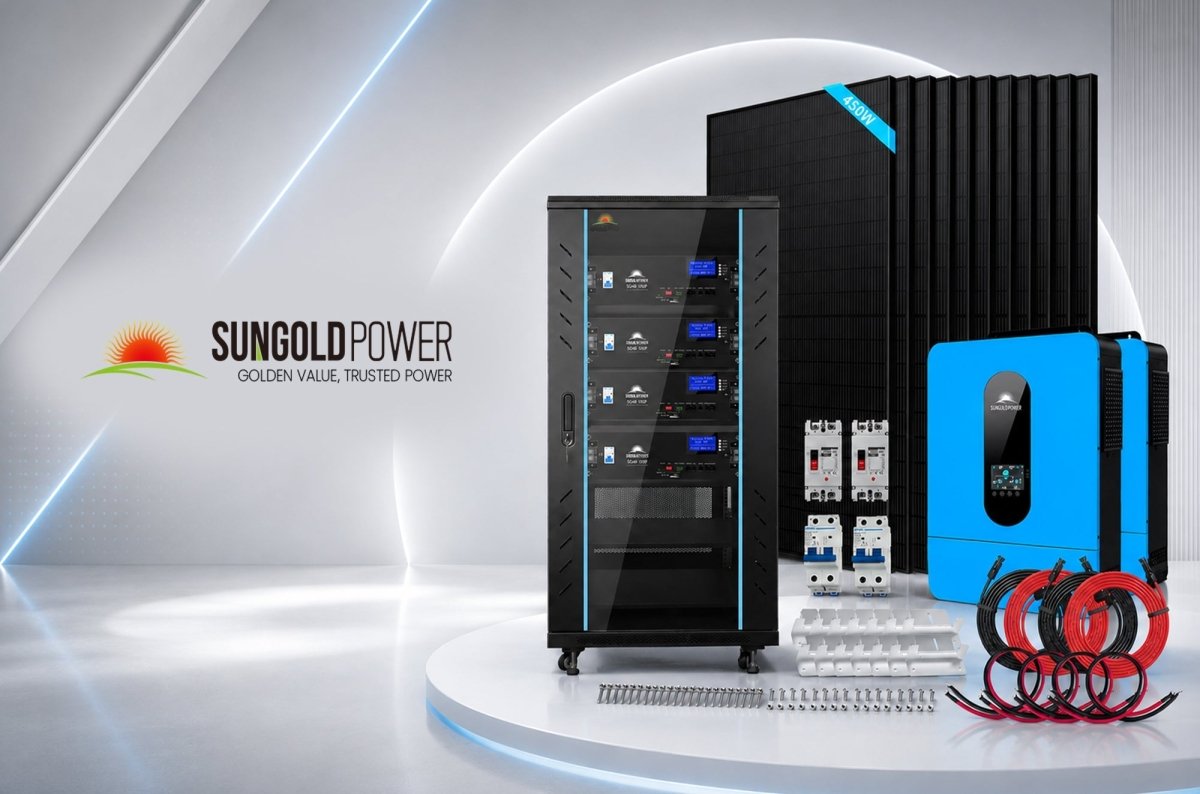
System design around a 48V architecture simplifies power conversions. Fewer DC–DC or DC–AC conversions equal less heat loss. Chargers, inverters, and loads that match a battery lifepo4 48v system preserve more energy for work.
Use-case-driven decisions
Different users require different efficiency trade-offs. RV and maritime users seek modular, lightweight packs with steady performance across temperature swings; telecom or data center backups value consistent voltage and rapid recovery; and solar storage systems value excellent round-trip efficiency and long cycle life.
Safety, lifecycle thinking, and durability
Long cycle life spreads environmental and economic costs across many years, boosting lifecycle efficiency. Certified packs that fulfill safety criteria reassure installers and ensure real-world battery performance.
Practical ways to boost efficiency
Use matching system components, update the BMS firmware when available, minimise excessive charge or discharge states, and plan frequent diagnostic checks to maximize a 48-volt lithium ion battery. These easy methods balance the pack and reduce losses.
Monitoring, remote diagnosis
Remote monitoring shows charge, cycle history, and cell balance. Knowing when a cell wanders or temperature varies permits quick intervention and system efficiency. Operators can plan maintenance instead of reacting to faults.
Practical upkeep and advantages
Slow cell drift before breakdown is commonly detected by regular diagnostics. Rebalancing, firmware upgrades, and thermal checks can extend life. Active battery care protects harvestable solar energy in off-grid settings by maintaining appropriate temperature and state-of-charge windows. Simple cable connection and mounting point inspections avoid parasitic losses from vibration or loose terminals in mobile installations.
Finding the correct form factor
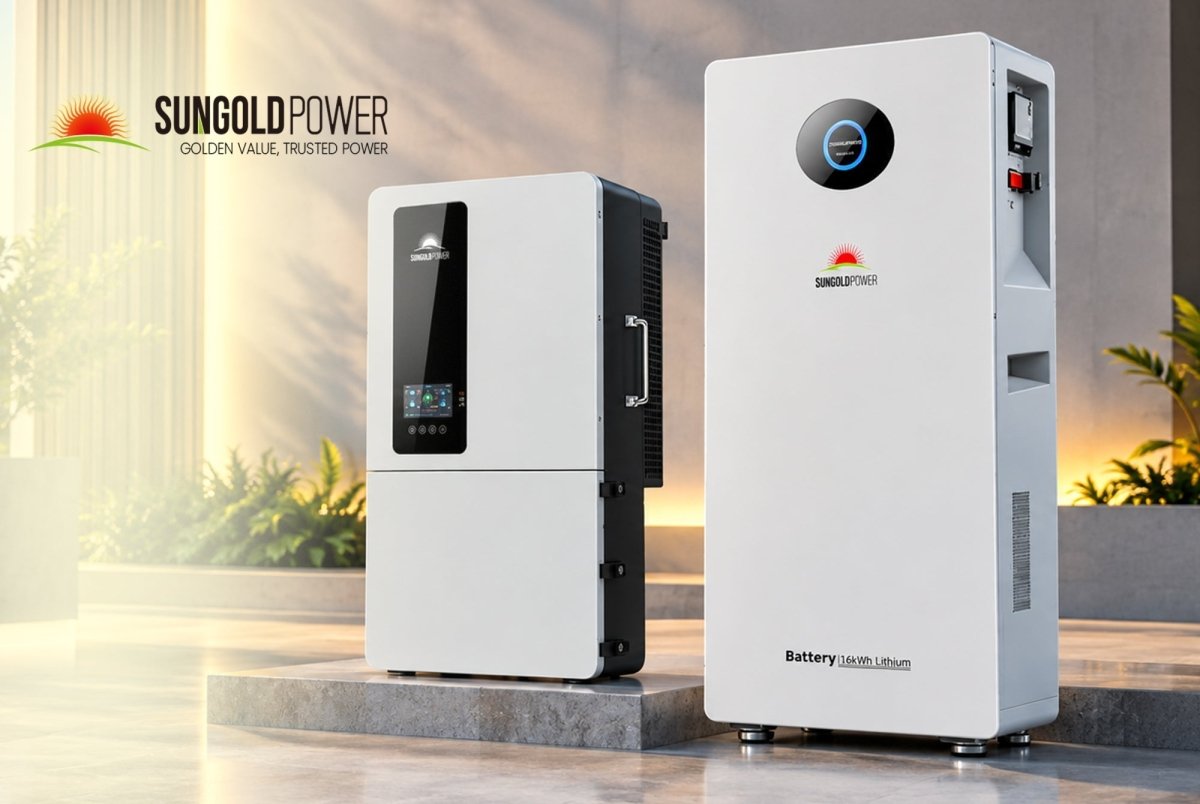
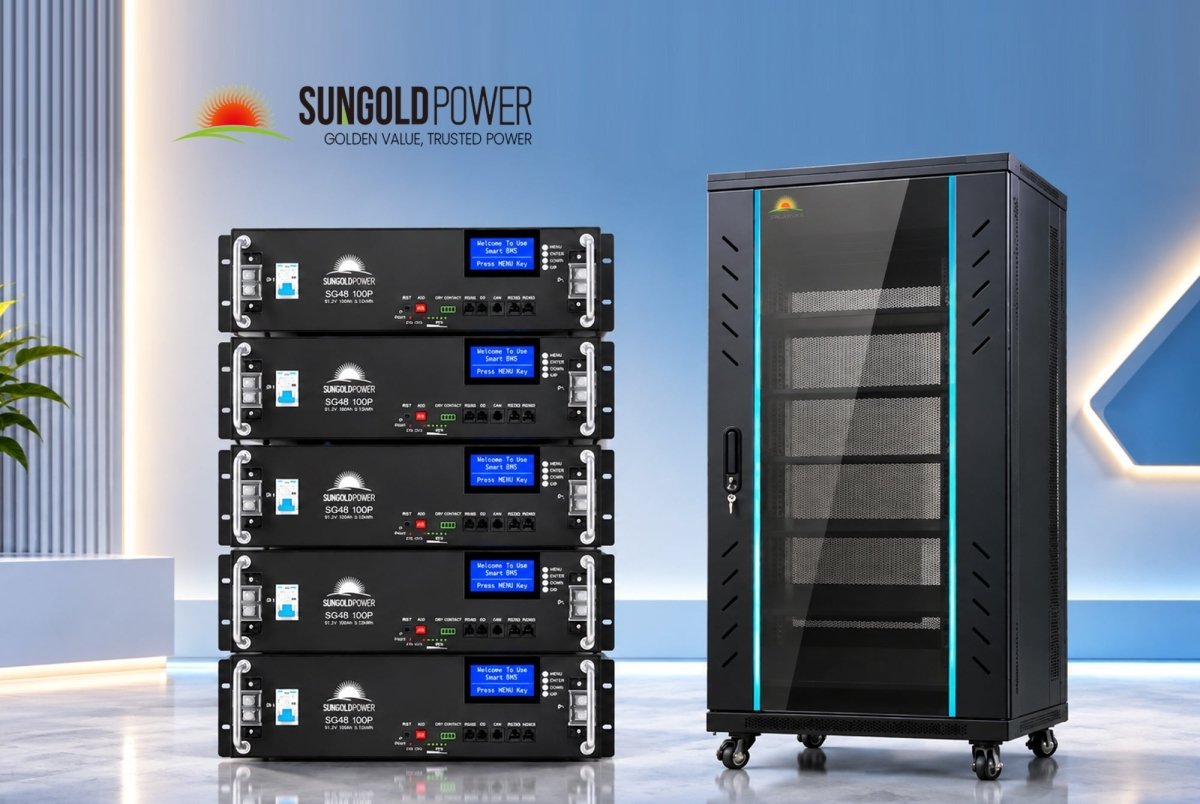
Choose 48V modules for expanding microgrids and mobile solutions. Prioritise thermal management and integration units for rack-mounted deployments. Minimizing converters and parasitic losses by matching form factor to application.
Conclusion
Chemistry, BMS, thermal design, and system-level choices affect 48V LiFePO4 battery efficiency. To maximize 48V energy platform benefits, prioritize LiFePO4 cell reliability, intelligent battery management, proper installation, and matching system components. Refer to the manufacturer's 48V collection and documentation for product specifications and application advice.
SunGoldPower's 48V LiFePO4 portfolio demonstrates how careful design ensures reliability and efficiency. For system sizing or comparison, review technical datasheets, BMS specs, and installation instructions for the proper 48-volt lithium-ion battery. Forward decisions maximise uptime, energy use, resiliency, and system performance.