Why Solar Power Hybrid Inverter Fits Modern Energy Systems

Home and business energy needs are changing quickly as they seek reliable, efficient, and intelligent electricity. Modern solar systems must consider storage, outages, grid interaction, and scalability, not only daylight generation. This improvement makes solar power hybrid inverters popular for advanced solar installations. For consumers who want more than power, next-generation solar technology provides flexibility, automation, and energy independence.
Smarter Energy Control
Advanced energy management is a major benefit of hybrid systems. Instead of only converting solar energy into electricity, they monitor output, storage, and consumption. This allows households to prioritise battery power during outages and use solar energy efficiently during the day.
Grid-tied inverters shut off for safety, but hybrid equipment can function on battery backup during power outages. This seamless transfer maintains critical appliances, security, and communications. Modern electronics-dependent households need this reliability.
Dependable Design
Extreme weather, grid instability, and rising electricity demand threaten global energy security. Hybrid technology mixes solar, battery, and grid power to tackle these issues. The combination assures electricity even if one source fails.
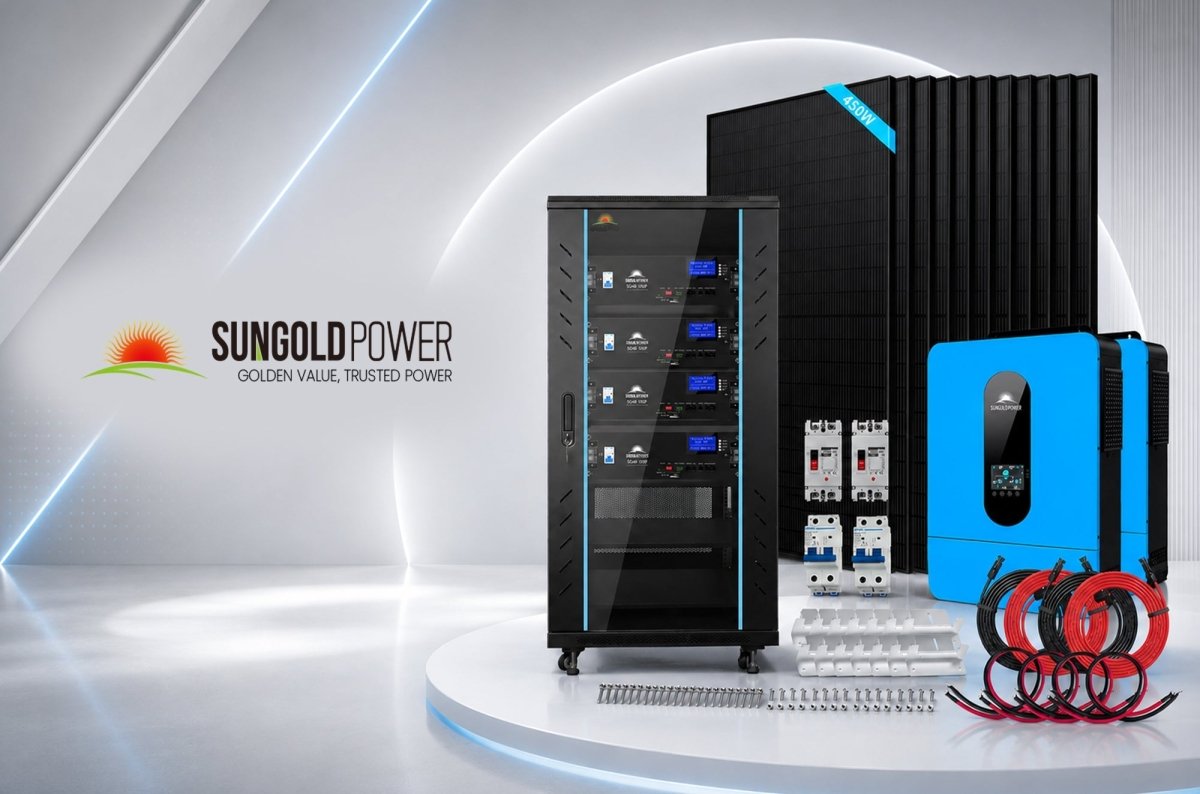
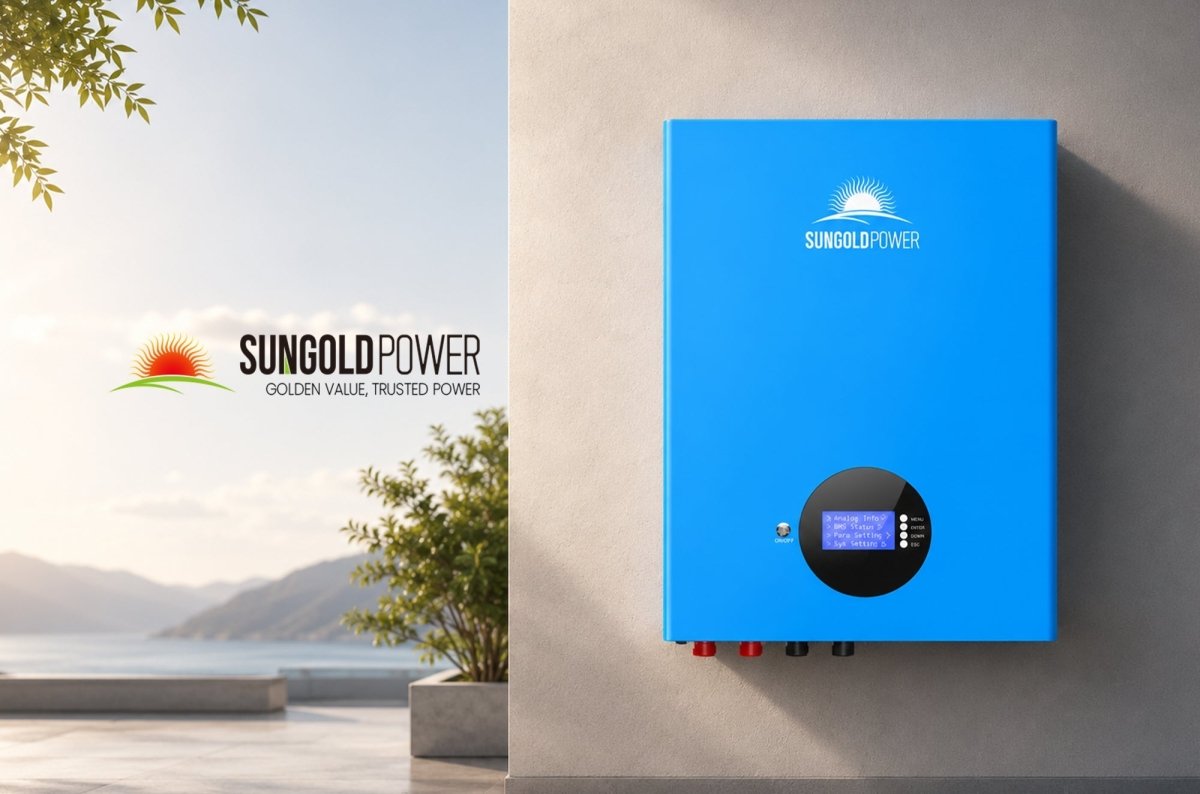
A tiny device with solar generating, storage compatibility, and grid connectivity, the SunGoldPower 12 kW system. Due to its large pass-through capacity, it can power critical circuits and residences during outages. This design highlights how hybrid technology is designed for real-world efficiency and dependability.
Designed for Demand
Older solar systems demand less electricity than modern dwellings. Electric cars, water pumps, AC, and commercial equipment utilize more energy. Hybrid inverters with enhanced PV input capacity and parallel scalability manage these loads.
Users may expand their setup as energy needs grow with a system that supports large solar input and can connect to several units. Farms, workshops, and small businesses benefit from scalability since their electricity demands change. They can upgrade infrastructure instead of equipment.
Adjustable Power
Operator flexibility drives homeowner hybrid technology adoption. The solar
This adaptability boosts efficiency year-round. Power savings from overhead energy in sunny seasons. Cloudy or nighttime days don't drain batteries. System balance boosts savings and comfort.
Effective Energy Conversion
Advanced inverters are efficient. A good grid-tied power inverter or hybrid converts solar panel DC power to AC power with low loss. Consumers gain more from the same solar panels with higher conversion efficiency.
Contemporary hybrids have smart cooling, circuit protection, and monitoring interfaces. These traits improve equipment life and performance. Over time, efficiency and durability save money on maintenance.
Installation Made Easy
Charge control, battery management, and grid connection were separate in previous solar installations. These characteristics facilitate wiring and installation in hybrid systems. Labor costs and connection errors are reduced by this streamlined design.
The all-in-one technique is suitable for residential consumers who want a clean, compact setup over several wall-mounted pieces of equipment. A single generating, storage, and distribution unit simplifies installation and maintenance.
Compatible with Modern Storage
Recently developed lithium-based batteries are more efficient and last longer. Hybrid inverters offer many battery types for current and future storage systems.
SunGoldPower hybrid models support 48-volt lithium batteries and other storage devices, so they can adapt to diverse energy sources. Users may increase storage without changing the inverter, protecting their investment.
Future-Ready Tech
Energy infrastructure must support smart homes, electric mobility, and automated energy monitoring as global solar consumption rises. Inverters hybrids consider these changes. Connection ports, remote monitoring apps, and performance and utilization optimization options are common.
These controls make solar installations smart energy environments. Users gain production, consumption, and savings statistics for energy usage decisions.
Value Over Time
Hybrid inverters are more expensive but pay off. Lower utility bills, backup power, and scalable capacity increase value. Grid-efficient technologies receive government incentives and net-metering in several places.
Property owners seeking energy independence benefit currently and in the future from hybrid solutions. This maintains solar installations' current efficiency as technology evolves.
Conclusion
Solar panels today create power and manage energy effectively. The solar power hybrid inverter leads this transformation with its performance, flexibility, and dependability. Nowadays, it gives families, farms, and enterprises energy management and resilience.