How to Choose the Best Off-Grid Solar Power System Wisely?

Living off the grid needs more than solar panels. A well-planned system must create, store, and provide reliable power when sunshine is lacking. Understanding your energy needs, space, appliances, and consumption helps you choose the optimal setup. SunGoldPower offers off-grid options for cottages, RVs, workshops, farms, and houses.
Start with Your Energy Requirements
Before buying an off-grid solar kit, list the appliances and equipment you'll use. High-demand appliances include refrigerators, lighting, water pumps, electronics, heating equipment, tools, and more. Determine your daily energy consumption by noting their wattage and projected operating hours.
The right solar generation, battery storage, and inverter output depend on your energy profile. It also stops you from choosing a system that cannot meet your daily needs. Expandable configurations offer flexibility for houses with shifting energy needs.
Match Solar Generation with Battery Storage
Solar panels provide electricity during the day, while batteries store energy. When choosing the best off-grid solar power system for your home, both components should be considered.
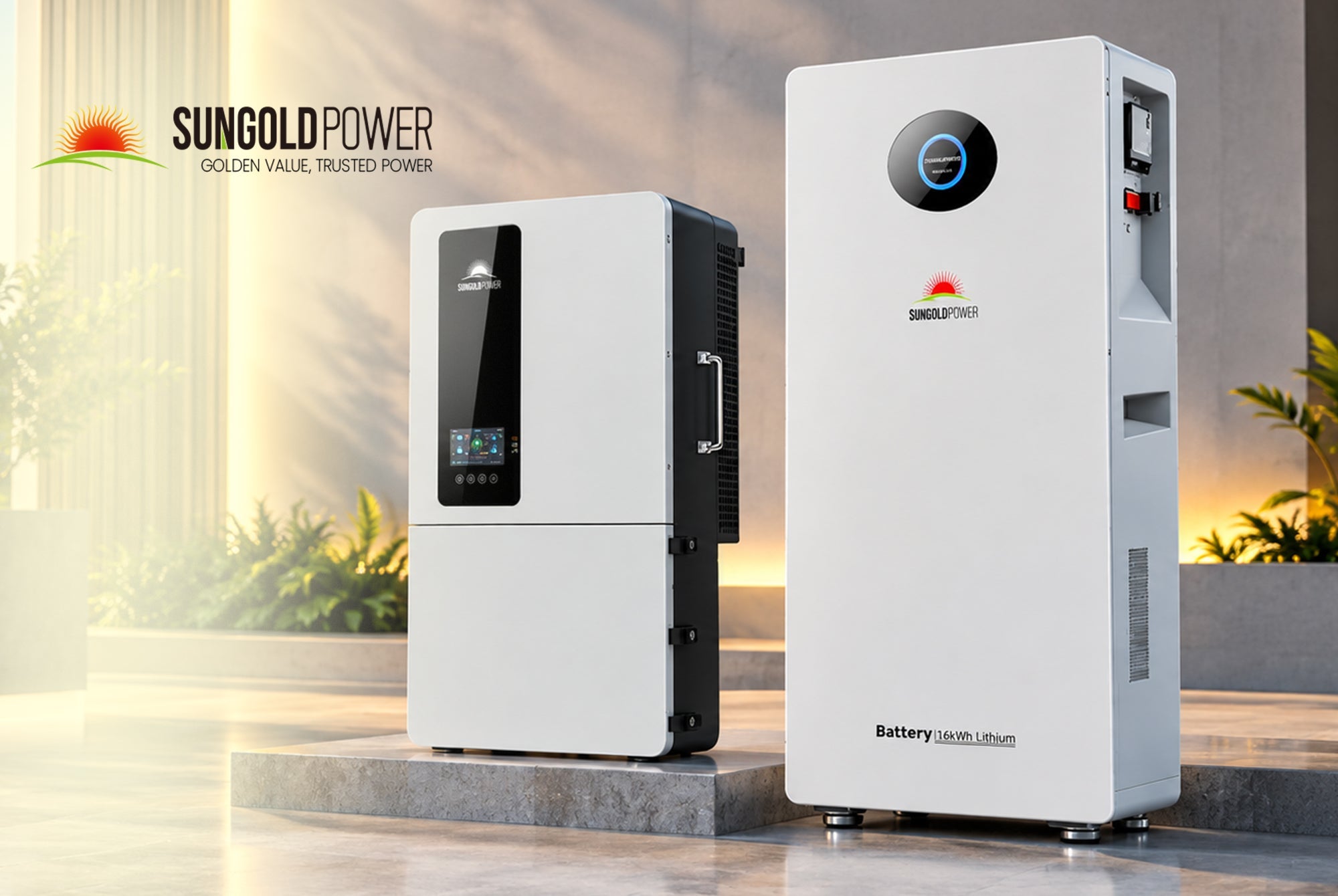
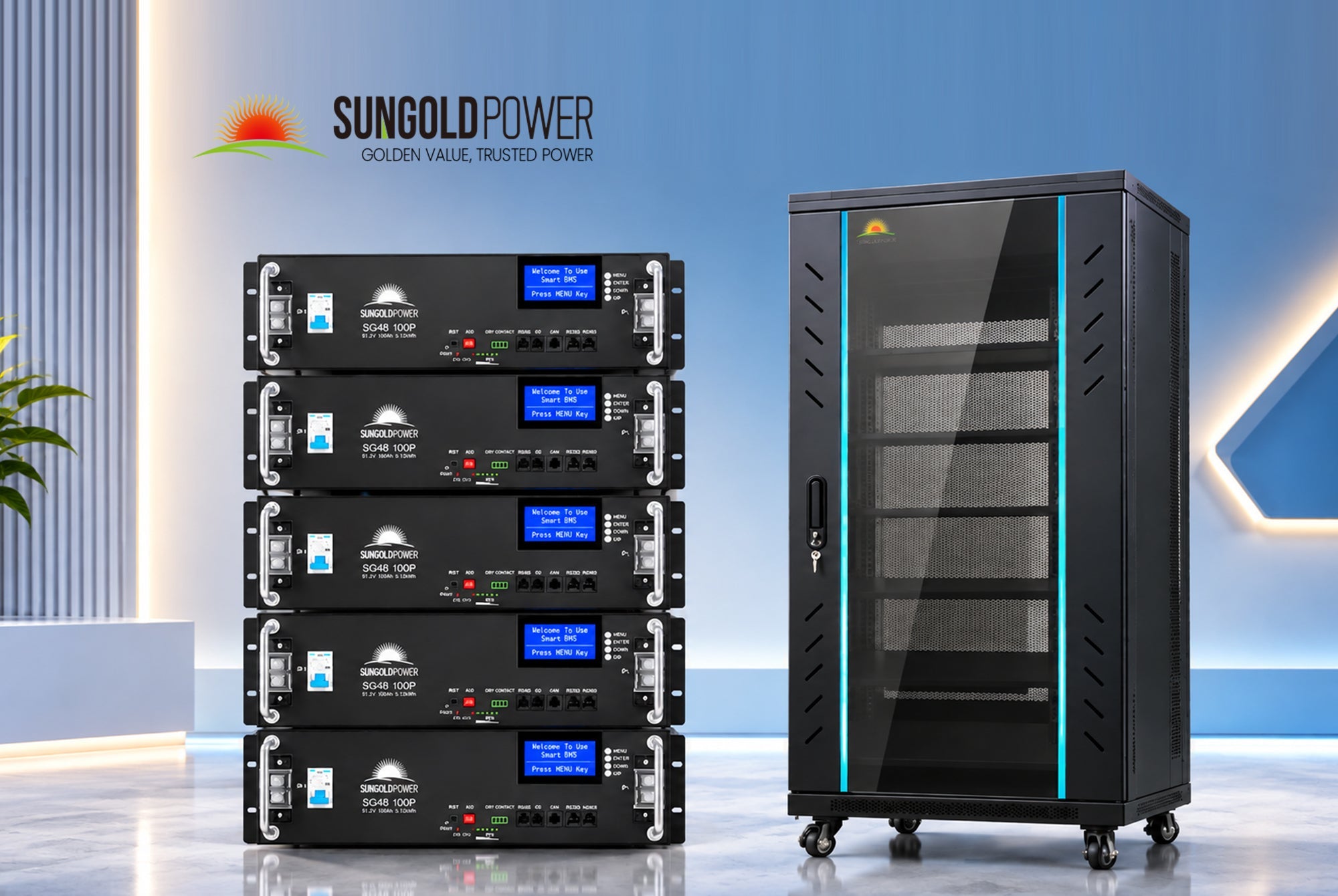
Consider your electricity needs during evenings, overnights, cloudy days, and other times when solar production drops. A proper battery bank can store energy while your panels aren't generating. SunGoldPower systems combine solar panels, lithium battery storage, and inverter technology in various sizes for different applications.
Consider Complete Solar Systems for Off-Grid Living
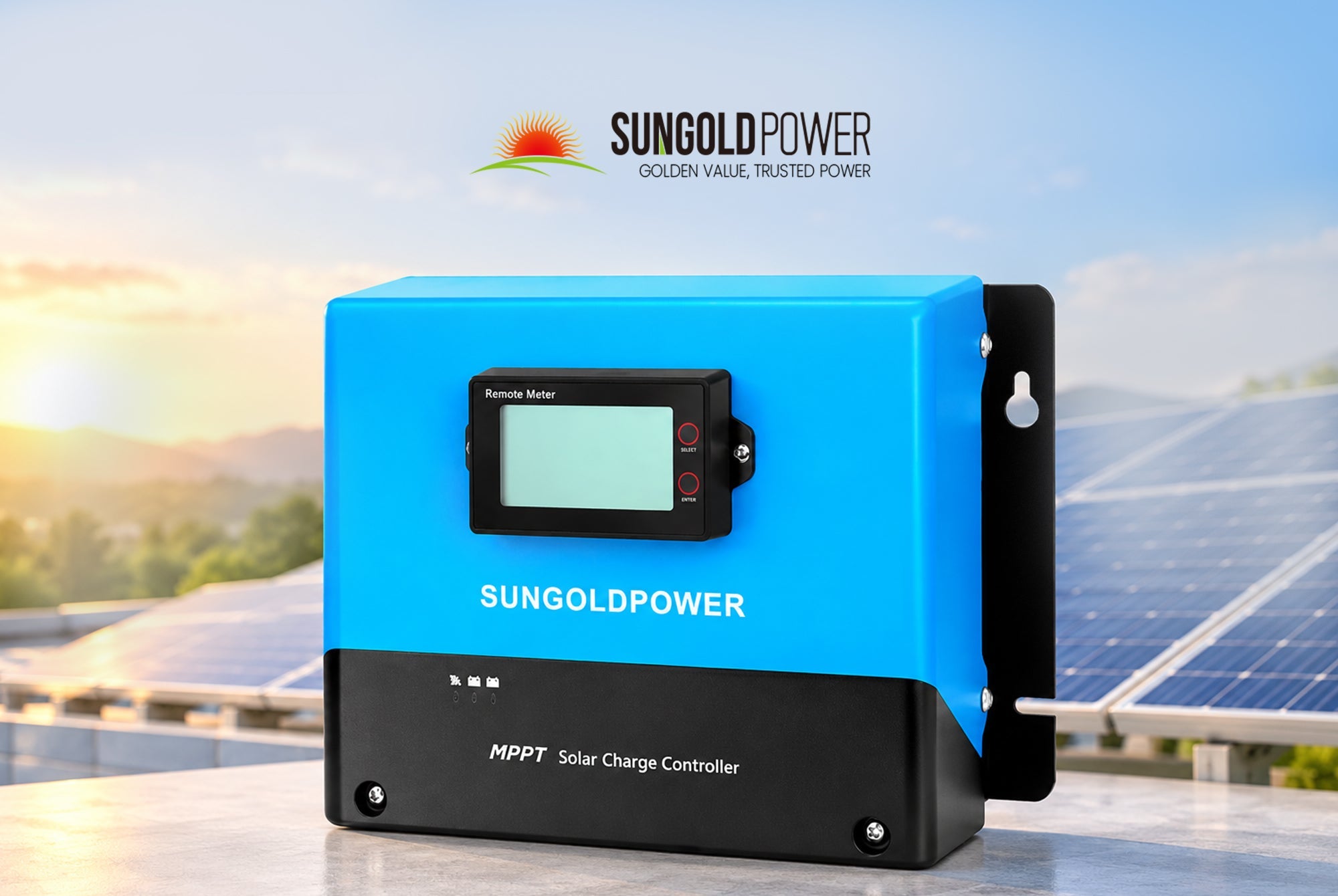
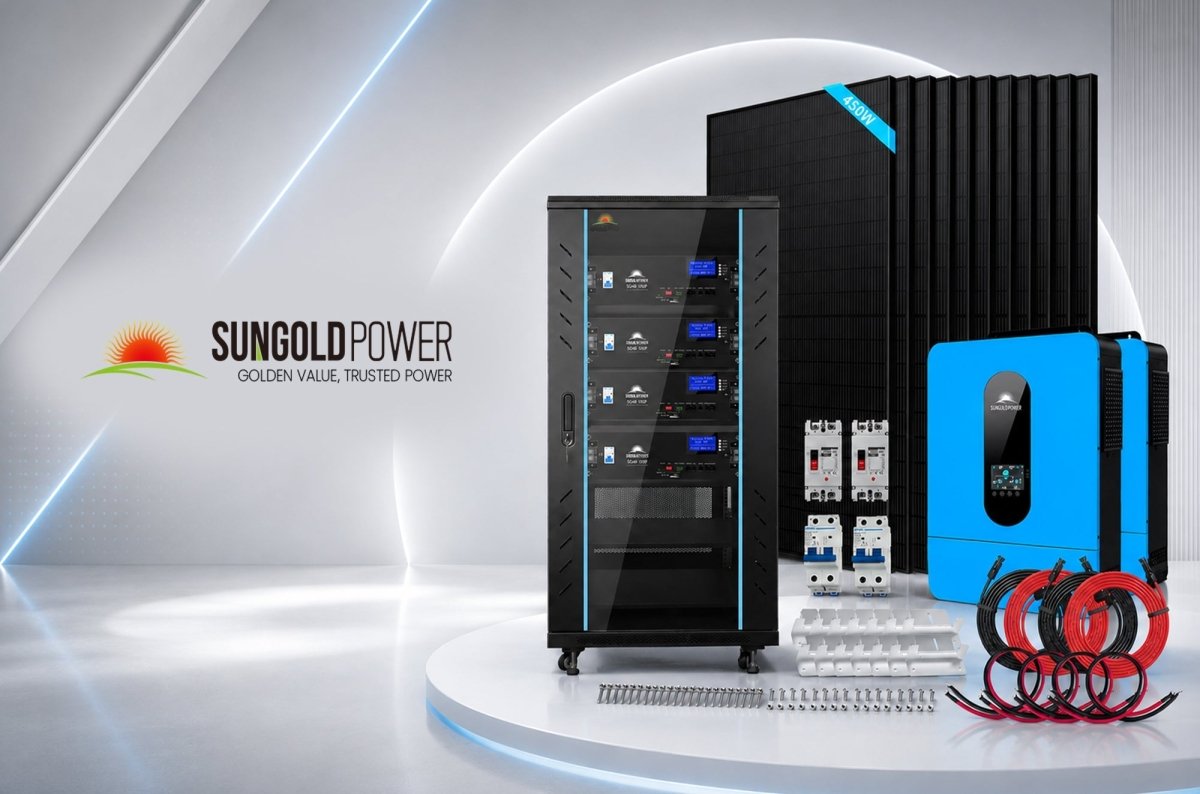
Due to their integrated design, complete solar systems for off grid applications simplify system planning for many users. An off-grid system may contain solar panels, batteries, an inverter, charge-control electronics, connections, and mounting components.
Solar generation, energy storage, and power transmission can be easier to understand with an integrated approach. Comparing systems, make sure the components' capacities match your appliances and consumption patterns.
Choose Off-Grid Solar Panel Kits by Application
Individual attributes demand varying amounts of energy. Off-grid solar panel kits may power isolated cabins, RVs, workshops, farms, and homes. Smaller arrangements can handle restricted electrical loads, while larger ones can handle more home or equipment needs.
Also consider the installation site. Roof or ground space, sunshine exposure, seasonal circumstances, and solar array position affect daily energy production. Location-based configurations make off-grid energy setups more realistic.
Compare Inverter Output and System Compatibility
The inverter turns battery energy into domestic electricity. Check its continuous output, voltage, and appliance compatibility.
Compare solar power systems off-grid beyond panel wattage. One balanced system should include the inverter, battery capacity, solar array, and electricity needs. Well-matched configurations can supply steady power for daily tasks.
Plan for Long-Term Off-Grid Use
Off-grid systems should support your lifestyle, not just provide energy. You may use more electricity in the future. Energy needs can change with new appliances, equipment, devices, or living space.
Before choosing, consider system capacity, storage, expandability, installation, and component compatibility. With proper planning, an off-grid solar setup may provide intermittent and full-time electricity.