Solar Power Hybrid Inverter: Tips for Better Performance Every Day

Choosing and maintaining the appropriate inverter helps boost solar energy system efficiency. The right solar power hybrid inverter can coordinate solar panels, batteries, household loads, and utility power to assist homes in managing energy during changes. Understanding the inverter's operating modes, electrical needs, and battery compatibility helps ensure daily functioning.
Choose the Right Solar Power Hybrid Inverter
Match inverter capacity to household electrical needs. Before installation, consider startup, constant loads, important circuits, and future energy needs. A suitably designed solar power hybrid inverter coordinates solar generation, battery storage, and grid electricity.
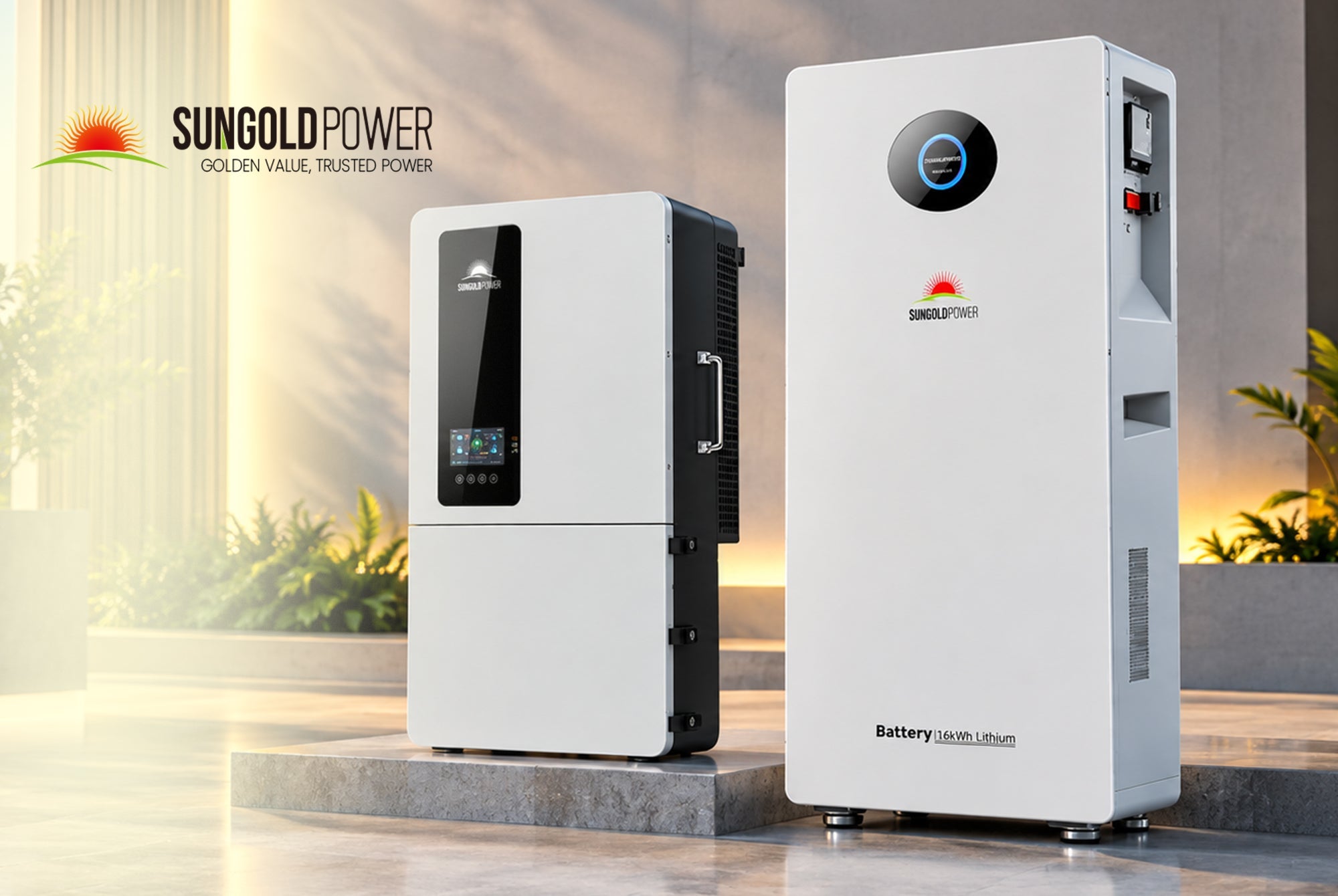
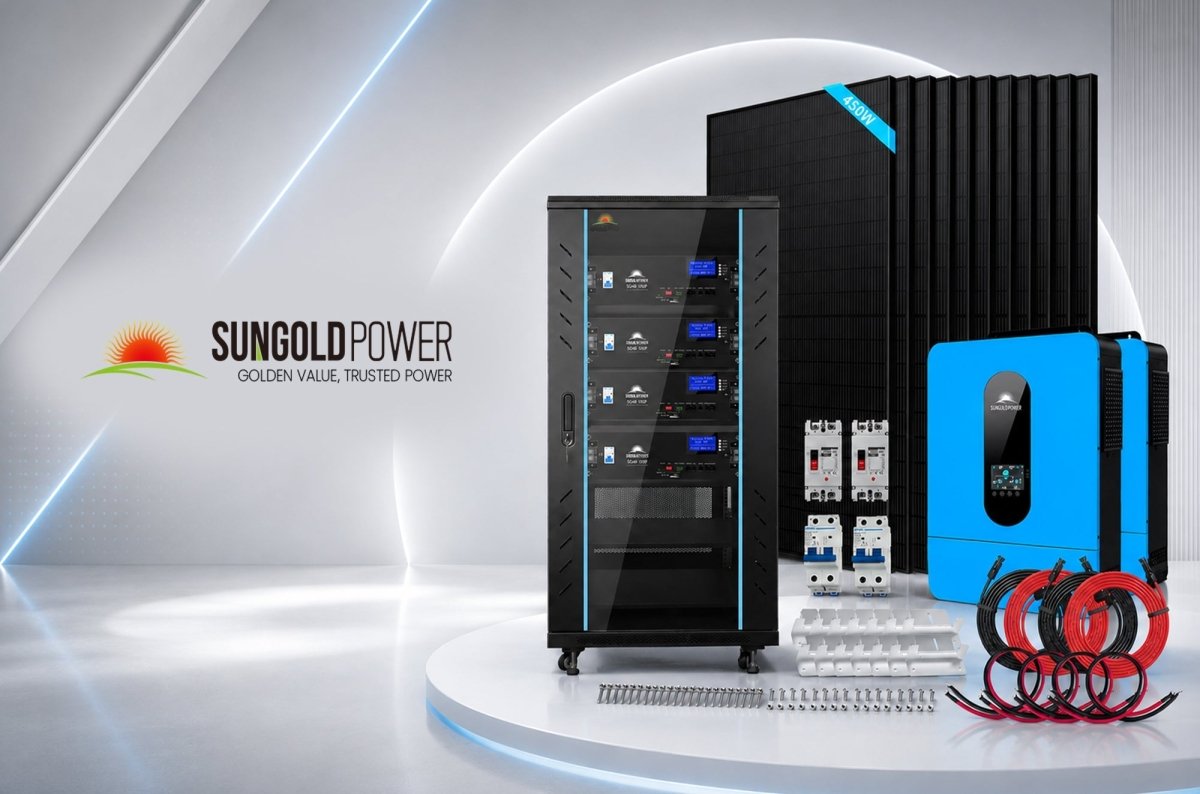
The SunGoldPower 12kW hybrid inverter integrates solar, battery, and grid power. Its 200A pass-through supports important loads and whole-home circuits during outages. The system supports up to 18kW of PV input per unit and 72kW with six units in tandem for bigger energy needs.
Understand Your Grid-Tied Inverter Setup
A grid-tied inverter links solar power to domestic loads and the grid. Depending on system configuration and utility requirements, extra solar energy may flow to the grid.
Understanding how solar, battery, and utility electricity interact is crucial for hybrid setups. Set operational priorities based on household needs to distribute solar energy between loads, battery storage, and the grid.
Optimize a Grid-Tie Power Inverter
A grid-tie power inverter works best when its electrical architecture fits the solar array and residential system. Installers should verify voltage ranges, PV input capacity, wiring, and system parameters.
Check the solar array for shade, dirt, or physical barriers that could restrict generation. Clear inverter ventilation spaces and follow manufacturer installation and maintenance instructions. Simple procedures can keep the inverter steady and use solar power efficiently.
Use Solar Inverter On Off Grid Modes
Solar inverter on-off-grid systems offer flexibility when utility power is unavailable. Homeowners can adjust their energy strategy with hybrid equipment's on-grid, off-grid, or combination modes.
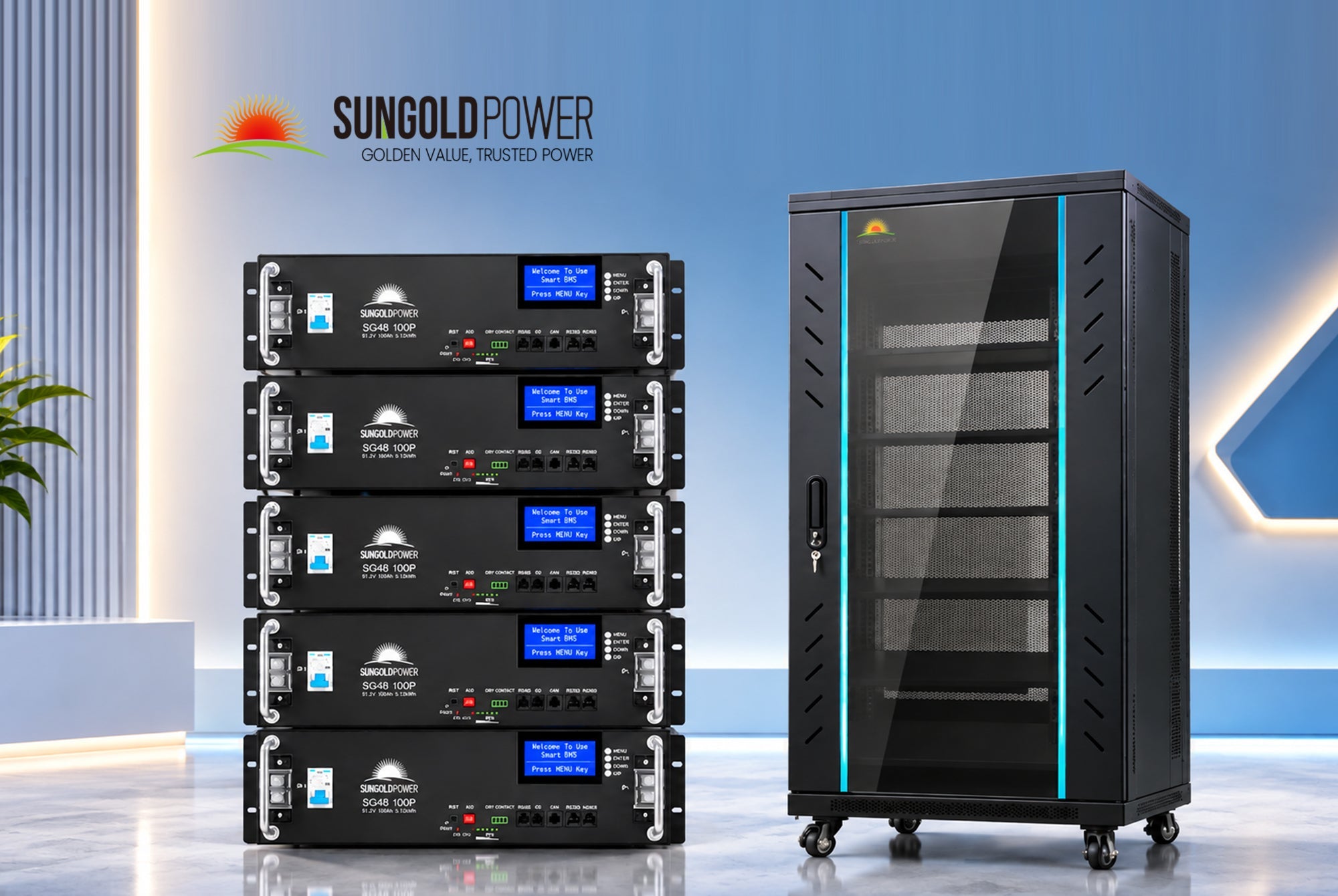
Battery compatibility is crucial in these applications. The SunGoldPower hybrid system works with 48V lithium batteries and other compatible storage systems, allowing energy storage setups versatility. The inverter coordinates charging, discharging, and household demand with proper battery configuration.
Match Electrical Output to Your Home
Electrical compatibility also affects performance. Select equipment for the voltage and phase requirements of homes and small businesses.
Split-phase 120/240V and three-phase 120/208V are supported by the 12kW system. The system can accommodate large residential, farm, and small-business energy needs due to its versatility.
Maintain Reliable Solar Performance
More than inverter capacity affects performance. If environmental conditions generate significant buildup, clean solar panels, monitor system information, and examine unusual generation or battery behavior changes. Make sure connections and installation meet electrical standards.
Scalability accommodates energy demand changes. As electricity needs rise, a system can grow with compatible units. It can make solar infrastructure more adaptive for houses with expanding loads.
Build Smarter Energy Management
Some hybrid inverters do more than convert electricity. They can coordinate several energy sources and organize domestic power management. Solar generation can power loads, charge batteries, or transfer excess energy to the grid if set and allowed.
Homeowners wanting energy independence must choose the proper setup, maintain compatible storage, and understand operation modes. With proper planning, a solar power hybrid inverter can form the core of a flexible solar energy system for daily consumption and backup power.